




Second-Hand Boat Survey Process: A Pre-Purchase Inspection Checklist
You’ve finally found the boat of your dreams—but is it really as good as it looks? Buying a second-hand boat is a significant financial investment, and a small overlooked detail can lead to massive repair costs down the line. A professional boat survey is the most reliable way to strengthen your bargaining position and minimize future risks. Here are 10 critical steps you should обязательно follow before completing the purchase.
1. Engine Performance and Maintenance Records
The engine, the most expensive and vital component of the boat, must not only run—but run healthily.
Operational Test:
Pay attention to cold-start performance, idle stability, and exhaust smoke color.
Blue Smoke: Indicates the engine is burning oil.
Black Smoke: Signals a problem in the combustion or fuel system.
Professional Analysis:
If possible, have a sample of engine oil analyzed in a laboratory. Metal particles in the oil can indicate early internal engine wear.
Maintenance Records:
Request all service records from the seller, especially those covering winterization and seasonal commissioning.
2. Hull Integrity and Osmosis Inspection
The boat must be hauled out of the water so the underwater hull can be visually inspected.
Osmosis Risk:
Especially on fiberglass hulls, check for small blisters on submerged surfaces. Advanced osmosis threatens structural integrity and requires costly repairs.
Impact Damage:
Inspect critical areas such as the propeller, keel, and rudder for cracks or repair traces caused by grounding or collisions.
Connection Points:
Look for hairline cracks or signs of leakage around the keel, rudder bearings, and hull joints.
3. Electrical and Electronic Systems
Electrical and electronic systems are among the most common sources of failure on boats.
Wiring Inspection:
Check whether cables in the engine room and living spaces are marine-grade, properly insulated, free of cracks, and not corroded.
Batteries and Charging System:
Measure battery lifespan, voltage levels, and alternator charging performance. Old or weak batteries often mean unexpected expenses.
Navigation Equipment:
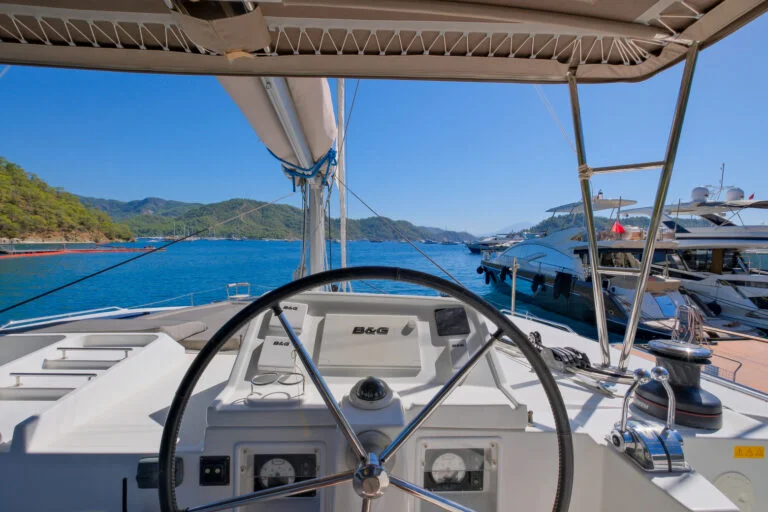
Ensure essential electronics such as VHF radio, GPS, depth and wind instruments, and autopilot are operational and up to date.
4. Deck, Rigging, and Equipment (For Sailboats)
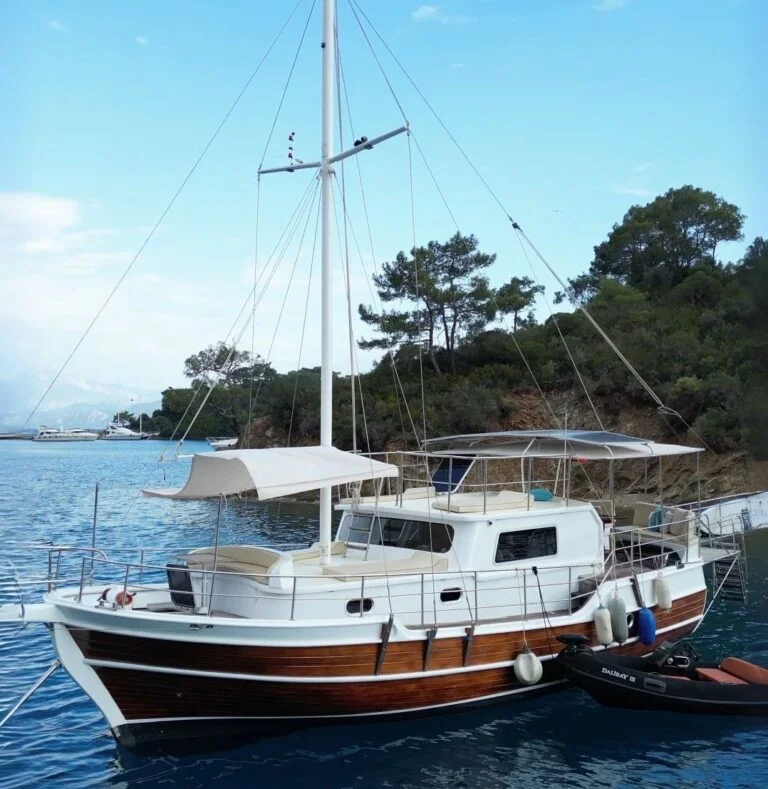
If you’re buying a sailboat, rigging safety should be your top priority.
Sail Condition:
Inspect the mainsail and genoa for tears, excessive wear, mold, or sun damage.
Rigging Check:
Examine the mast, standing rigging (steel wires), and running rigging (shrouds, lines) for corrosion, cracks, wear, or loose fittings. Rigging failure poses serious safety risks.
5. Sea Trial and Performance
After all inspections, a sea trial is the indispensable final step of the survey process.
Vibration and Noise Check:
Observe for abnormal vibrations or sounds at different speeds and engine RPMs.
Maneuverability:
Test steering response, turning performance, and especially control during docking maneuvers.
Water Tightness Test:
In rough conditions or at higher speeds, check for water ingress around the hull, portlights, and connection points.
Conclusion: The Importance of a Professional Boat Survey
Rather than rushing a second-hand boat purchase, always obtain a neutral, certified professional survey. Issues identified in the survey report not only strengthen your position at the negotiating table but also protect you from tens of thousands in unexpected repair costs. Remember: the best boat is not the cheapest one—it’s the one with the fewest problems.
Digital Press Group